Interior Design as a Competitive Lever in Modern Business in London
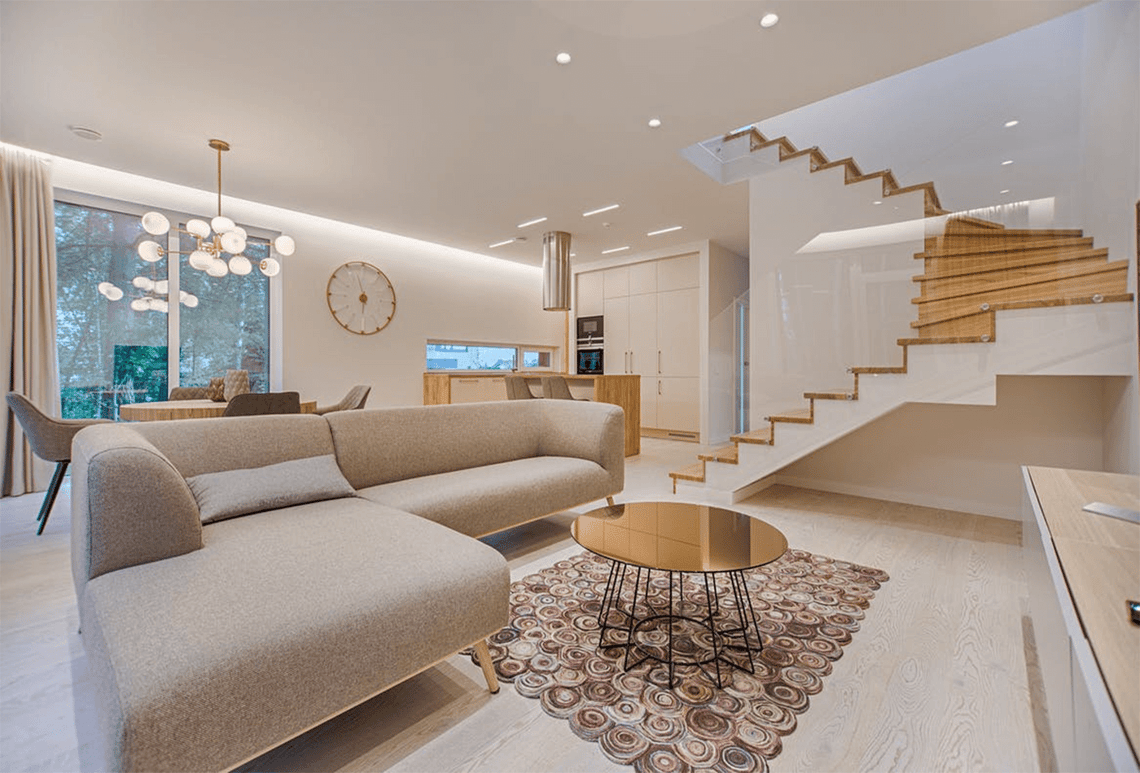
You can usually tell within seconds whether a business is thriving—or merely functioning. It’s not the logo or the furniture. It’s the feeling. Some spaces energise you without trying. Others exhaust you before the meeting even starts. In today’s business climate, where pressure is constant and attention is scarce, space has stopped being neutral. It either works for you—or against you.
1. Designing for Human Energy, Not Just Headcount
Many workplaces are quietly draining the people inside them—not because the work lacks meaning, but because the environment was never designed to support how humans actually function. For example, window modifications designed without a human performance lens—paired or installation of lighting and materials that prioritise mechanical efficiency over biological comfort. Such ill-informed design decisions leverage traditional ideas of productivity, failing to align operational logic with human feel and performance.
Such misalignment interferes with efforts to build a resilient company culture, giving rise to behaviours like presenteeism; where drained focus dulls initiative, dilutes accountability, and quietly suppresses meaningful contribution. This is where a professional London Interior Designer becomes handy; not just for picking colours or furniture, but for reading the pulse of a business and translating it into space.
Thoughtful integration of natural elements and skilled handicrafts isn’t about being “on trend”; it’s about respecting how humans are wired.
- Greenery helps the brain recover between tasks
- Light that follows natural rhythms steadies focus and mood
- Honest materials calm overstimulated work cultures
The real return isn’t immediately visible. It’s felt months later—in retention, resilience, and teams that perform without running on empty.
2. Spaces That Match the Reality of Work
Work today isn’t linear, so why are so many offices designed as if it is? People move between deep focus, collaboration, reflection, and exchange; sometimes all in the same hour. Rigid layouts don’t support this; they fight it.
Activity-based environments acknowledge how work actually happens. When done well, the space subtly guides behaviour instead of forcing it.
- Acoustic pods protect thinking, not just calls
- Quiet zones reward concentration without isolation
- Shared spaces create accidental but valuable interaction
This isn’t about fitting more people in. It’s about making every square metre earn its keep. For leaders watching costs and culture simultaneously, that balance matters more than ever.
3. When Space Becomes Part of the Brand
In a world dominated by screens, physical space has become rare—and therefore powerful. Your environment speaks before your people do. It sets expectations. It signals credibility. It tells visitors whether you know who you are.
For client-facing businesses, this is non-negotiable.
- Clear spatial flow builds trust instantly
- Consistent material language reinforces credibility
- Atmosphere becomes part of the service itself
This is where expertise separates strategy from styling. Anyone can make a space look good. It takes judgment to make it feel aligned. When that alignment is right, clients trust faster—and teams feel rooted, even in hybrid setups.
4. Sustainability as a Business Safeguard, Not a Statement
Choosing sustainable design isn’t just about looking “green”—it’s about protecting the business from external shocks. Rising material costs, tighter regulations, investor scrutiny: these aren’t future risks, they’re current realities. Smart, circular fit-outs are less about optics and more about control.
Practical Business Advantages:
- Operational Resilience: High-performance lighting and thermal interventions provide a permanent floor against energy price spikes.
- Regulatory Future-Proofing: Proactive compliance eliminates the risk of “Stranded Assets”—spaces that become legally or financially unviable due to evolving carbon regulations.
- A Strategy of Resilience: By utilizing modular designs, businesses move away from “disposable” interiors that carry a 100% depreciation rate, retaining more value on the balance sheet.
- Supply Chain Sovereignty: Sourcing through local, trustworthy traders (as practiced by Speaking of Interiors) decouples project timelines from the volatility of global logistics.
- Lower energy demand reduces long-term exposure
- Strong ESG alignment protects valuation
- Modular, durable choices prevent premature obsolescence
The work of experienced designers is not only functional today; they leverage spatial asset resilience to craft commercial environments that can endure shifting economic, regulatory, and operational pressures.
In essence, interior design has stopped being about taste. It’s about judgment, foresight, and respect—for people, capital, and time. The most effective spaces don’t shout. They support. They clarify. They last. For businesses ready to move beyond surface decisions, design becomes a quiet but decisive form of leadership—one that continues to pay dividends long after the project is complete.