Athletic Trainer Salaries The 2024 Update
National Average Salary and Salary Range
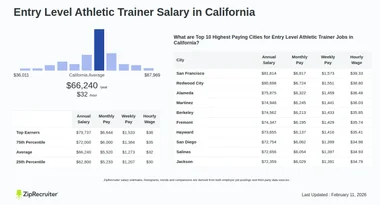
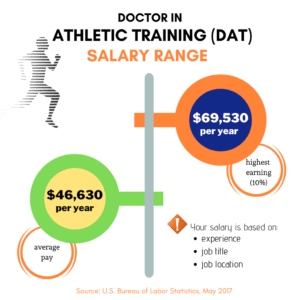
The national average salary for an athletic trainer in 2024 sits comfortably in the $50,000 to $70,000 range. However, this is a broad generalization, and the actual salary can fluctuate significantly depending on several key factors, which we’ll explore in more detail below. While some entry-level positions might start closer to the lower end of this range, experienced professionals with specialized certifications or working in high-demand settings can easily earn well above $70,000 annually.
Impact of Location on Athletic Trainer Salaries
Geographic location plays a crucial role in determining an athletic trainer’s salary. High-cost-of-living areas, such as major metropolitan centers on either coast or in the Northeast, generally offer higher salaries to compensate for the increased expenses. Conversely, athletic trainers in smaller towns or rural areas might find their salaries at the lower end of the spectrum. This disparity reflects the market forces of supply and demand, with more competitive job markets often leading to higher compensation packages.
Experience Level and Salary Expectations
As with most professions, experience significantly impacts an athletic trainer’s earning potential. Entry-level positions typically offer lower salaries, but salaries increase with experience and the accumulation of specialized skills. Athletic trainers with 5-10 years of experience can command considerably higher salaries than their newer counterparts. Furthermore, holding leadership positions, such as head athletic trainer or director of athletic training, often comes with a substantial salary bump.
Education and Certification’s Influence on Earnings
The level of education and certification also contributes to salary variations. Athletic trainers with a master’s degree, which is increasingly becoming the standard, usually earn more than those with only a bachelor’s degree. Similarly, possessing specialized certifications, such as those in specific sports or areas of rehabilitation, can enhance earning potential. These certifications demonstrate a higher level of expertise and attract higher-paying positions.
Setting and Employer Type – Where You Work Matters
The setting in which an athletic trainer works and the type of employer they work for significantly impacts their salary. Athletic trainers employed by professional sports teams or in prestigious private clinics often earn the highest salaries. These positions are highly competitive and require significant experience and expertise. Conversely, those working in high schools or smaller colleges may earn less, although the job satisfaction can be high.
Additional Compensation and Benefits
Beyond base salary, many athletic trainers receive additional compensation and benefits. These can include health insurance, retirement plans, paid time off, and continuing education opportunities. The comprehensiveness of these benefits packages can vary significantly depending on the employer and the position. Professional sports teams, for example, frequently offer generous benefits packages to attract and retain top talent.
Future Outlook and Salary Projections
The future outlook for athletic trainers remains positive. The increasing emphasis on preventative healthcare, sports medicine, and rehabilitation is driving demand for qualified professionals. Salary projections suggest continued growth in athletic trainer salaries over the next several years, particularly for those with advanced education and certifications. The specific rate of growth will likely vary depending on the factors discussed above.
Negotiating Your Salary – Tips for Success
Negotiating salary is a crucial skill for athletic trainers. Researching industry benchmarks, understanding your own value, and presenting a strong case for your worth are vital steps in achieving a fair salary. Being prepared to discuss your skills, experience, and certifications effectively can significantly impact your negotiating power. Remember that salary negotiation is a two-way conversation; be prepared to listen and compromise, while also advocating for yourself.
Resources for Salary Information
Numerous resources can provide further insights into athletic trainer salaries. Online job boards, professional organizations like the National Athletic Trainers’ Association (NATA), and government labor statistics websites offer valuable data and salary surveys. By utilizing these resources and conducting thorough research, athletic trainers can gain a clearer understanding of their earning potential and make informed career decisions. Click here to learn about athletic training salaries.